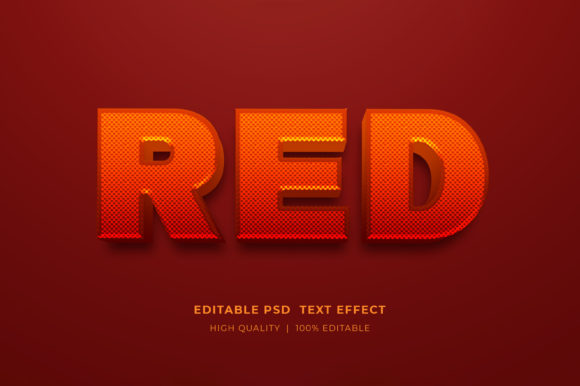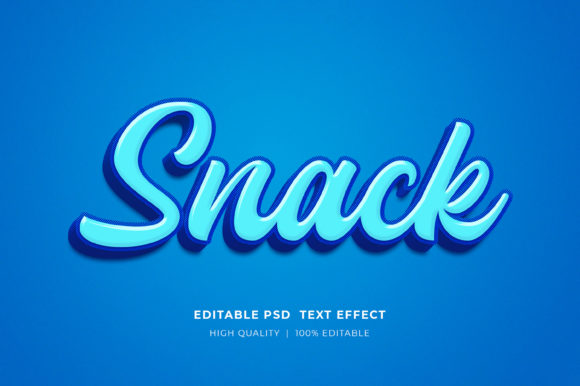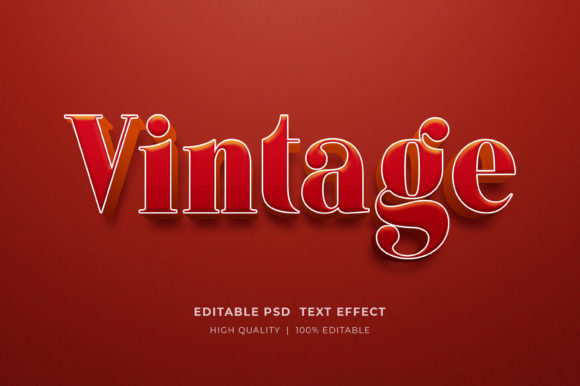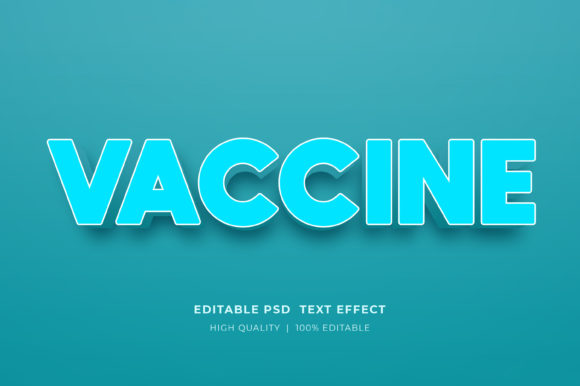
Mastering the 3D Game Style Editable Text Effect: A Modern Designer’s Guide
In the world of digital design, few visual techniques capture attention quite like the 3D Game Style Editable Text Effect. This style combines the depth and dimension of three-dimensional typography with the playful, vibrant aesthetics found in video game interfaces, splash screens, and promotional graphics. What makes it especially powerful is the “editable” aspect: designers and developers can tweak the text without rebuilding the entire effect each time. Whether you’re crafting a YouTube thumbnail, a mobile game title, or a hero banner for a gaming website, mastering this look can elevate your work from flat to unforgettable.
Why the 3D Game Style Editable Text Effect Matters Today
Modern audiences are bombarded with content. Scrolling through social media, streaming platforms, or app stores, users make split-second decisions about what to click. Bold, dimensional text acts as a visual anchor. The 3D Game Style Editable Text Effect isn’t just about looking cool—it’s about creating hierarchy and urgency. When you add layers, shadows, and highlights that mimic real-world lighting, your message becomes tactile. It invites the viewer to stop and read.
In fields like game development, esports branding, and even casual mobile apps, this effect has become a staple. But it’s not limited to the gaming industry. Event posters, product launch announcements, and educational content for children increasingly borrow from game-inspired design. The key is that the effect remains editable—meaning you can swap out “Level Up!” for “New Season” without redoing hours of Photoshop work.
Core Characteristics of the 3D Game Style Editable Text Effect
To understand why this effect works so well, let’s break down its essential components:
- Depth and Extrusion: The letters appear to pop out from the page, often using bevels, extrusions, or multiple offset layers. This gives a sense of weight and presence.
- Gradient Lighting: A combination of light and dark gradients simulates illumination from a specific angle. This creates realism and makes the text look polished.
- Bold, Readable Fonts: Thick, sans-serif typefaces (or heavily weighted serifs) work best. Ornate scripts won’t hold the 3D structure well.
- Outlines and Stroke Accents: A strong contrasting outline, often white, black, or metallic, helps the text stand out against busy backgrounds.
- Texture and Material Feel: Many effects incorporate gloss, metallic sheen, or even a slight rough texture to mimic in-game materials like gold, ice, or neon.
- Drop Shadows and Glows: Shadows anchor the text, while outer glows (often in bright cyan, magenta, or yellow) add that “game menu” vibe.
When these elements come together in an editable format—typically as a Photoshop layer style, Illustrator graphic style, or CSS/SCSS mixin—designers gain the flexibility to change content in seconds.
Where the 3D Game Style Editable Text Effect Shines in Modern Workflows
The demand for rapid iteration is higher than ever. A social media manager might need to produce a new promotional graphic every week. A game UI designer might have to localize titles into ten languages. In these scenarios, a non-editable, flattened effect is a productivity killer. Enter the 3D Game Style Editable Text Effect as a reusable asset.
Streamlined Content Production
Imagine you’ve created a stunning 3D title for a battle royale game. The marketing team wants variations for different seasons. With an editable layer style, you simply update the text layer, and the bevel, gradient, and shadow automatically adjust around the new characters. This consistency is invaluable for branding.
Collaborative Handoffs
When working in a team, editable effects allow non-designers to make minor tweaks. A developer can open a PSD file, change a headline, and export the asset without waiting for a designer. The effect remains intact because it’s built into the layer style, not embedded in rasterized pixels.
Versatility Across Platforms
While the effect is most common in raster-based tools like Photoshop, vector editors and even web technologies now support similar capabilities. CSS properties like text-shadow, transform (skew, perspective), and background-clip with gradients can achieve a lightweight 3D Game Style Editable Text Effect directly in a browser. For game engines, frameworks like Unity often have custom shaders or text mesh pro presets that mirror the same aesthetic.
Practical Benefits That Go Beyond Aesthetics
Many designers initially gravitate toward this effect for its visual punch, but the practical advantages are equally important.
- Brand Recall: A consistent, recognizable text style across all touchpoints reinforces brand identity. Think of the blocky gold letters in Fortnite or the glowing neon in Cyberpunk 2077—you can almost hear the sound effects.
- Accessibility: Counterintuitive as it may seem, well-designed 3D text can improve readability. The depth and contrast make characters more distinct against complex backgrounds, which helps users with visual processing differences.
- Emotional Impact: Depth signals importance. A 3D headline for “SALE” creates more perceived value than a flat one. The game-like styling also channels excitement and fun, lowering the barrier for user engagement.
- Time Savings: Once you’ve created or purchased a high-quality editable asset, you can reuse it across dozens of projects. This frees up time for creativity instead of repetitive manual shading.
Key Considerations Before Adopting the Style
No technique is perfect for every situation. The 3D Game Style Editable Text Effect comes with a few caveats that wise designers should consider.
Font Selection Is Critical
Thin scripts or highly decorative fonts lose their impact when given 3D depth. The extrusions can become muddled, and the gradient may not render clearly. Always test your chosen typeface at small and large sizes. Sans-serif families like Montserrat, Bebas Neue, Impact, or Poppins tend to work best. For a retro arcade feel, pixel fonts with consistent stroke widths are excellent.
Performance in Web and Game Contexts
If you’re translating the effect to a live website or game, watch your file sizes. Raster layer styles can balloon a PSD file. For web, CSS-based effects are lightweight but may not match the polish of a pre-rendered image. For real-time 3D text in game engines, consider using signed distance field fonts with custom shaders—this keeps the effect editable while maintaining performance.
Readability at Different Scales
What looks stunning on a poster may become illegible on a mobile thumbnail. The 3D Game Style Editable Text Effect should be tested on various screen sizes. Sometimes scaling back the depth or reducing shadow opacity helps maintain clarity.
Overuse and Trend Cycles
Game-style text is trendy. It can age quickly if used on the wrong project. For serious corporate or medical applications, this effect might feel out of place. However, for entertainment, education, or lifestyle brands targeting younger audiences, it remains a powerful choice. Use it purposefully, not as a default.
Examples and Scenarios: Where It Works Best
To help you decide if the 3D Game Style Editable Text Effect fits your next project, consider these real-world applications:
- Video Game Launcher Graphics: A Steam library card or Epic Games store banner benefits from a title that feels like part of the game world. Editable effects let you swap placeholder text quickly during development.
- YouTube Channel Art and End Screens: Creators in the gaming niche use 3D text for channel names, “Subscribe” buttons, and video titles. Because the style is editable, they can update their branding without rehiring a designer each season.
- Mobile App Onboarding Screens: Apps targeting Gen Z often use playful, game-like text to introduce features. The 3D effect makes “Swipe,” “Explore,” and “Share” feel interactive even before the user taps.
- Event and Tournament Banners: Whether it’s a local esports tournament or a global launch party, 3D text on banners and digital signage creates excitement. Organizers can quickly edit text for different stages or sponsors.
- Educational Gamification: Learning platforms that incorporate game elements use this effect for level names, achievement badges, and progress indicators. The editable nature allows teachers to customize tasks for different subjects.
In each scenario, the common thread is the need for flexibility without sacrificing visual quality. The 3D Game Style Editable Text Effect delivers that balance.
How to Get Started with the 3D Game Style Editable Text Effect
If you’re convinced this effect belongs in your toolkit, the path forward is straightforward. You have two main options: create your own from scratch or use a pre-made template.
DIY Approach (Recommended for Learning)
Open your design software of choice. Start with a bold font on its own layer. Duplicate the layer multiple times, offsetting each copy slightly to create depth. Apply a gradient overlay to the top layer, a darker gradient to the bottom extrusion layers, and add a drop shadow. Group the layers and convert to a Smart Object if you plan to edit later. For more finesse, explore 3D tools like Photoshop’s 3D workspace or Illustrator’s 3D extrude and bevel. The key is to keep the text editable—avoid rasterizing the original layer.
Using Templates and Presets
Many designers prefer to start with a professionally made asset. Sites like Envato Elements or Creative Market offer hundreds of 3D Game Style Editable Text Effect PSD files. These come with smart objects: you double-click the thumbnail, paste your text, save, and the effect updates automatically. This method shaves hours off the workflow. Look for templates that include multiple colour schemes, high resolution, and layer organisation.
Integrating into Web Projects
For front-end developers, compiling a CSS equivalent can future-proof your site. Use stacked text-shadow layers to simulate extrusion, a linear-gradient for the text fill, and a filter: drop-shadow for the glow. While not all CSS effects are truly dynamic, they remain editable through the stylesheet—ideal for CMS-driven sites where content changes often.
Final Observations: A Timeless Tool in a Changing Industry
Some design trends fade within months. The 3D Game Style Editable Text Effect has shown surprising longevity because it taps into something fundamental: our love for depth, play, and clarity. As tools evolve—whether through AI-assisted design, real-time rendering, or new file formats—the core idea of making text both dimensional and easy to modify will only become more important.
For freelancers, in-house teams, and hobbyists alike, investing time in mastering this technique pays dividends. It speeds up repetitive tasks, strengthens brand identity, and most importantly, makes your audience stop scrolling and start reading. Consider your next project: could a bold, extruded headline be the element it’s missing? If so, dive into the editable 3D game style and give your typography the power-up it deserves.