Evaluating the Glossy 3D Logo Mockup on Carbon Fiber
A brand identity often hinges on first impressions, and the way a logo is presented can significantly influence how it is perceived. Among the many presentation styles available, the glossy 3D logo mockup on carbon fiber has emerged as a specific and visually assertive option. Understanding what this mockup type entails, its strengths, and its limitations helps you decide whether it aligns with your project's goals or if an alternative approach would serve you better.
What Is a Glossy 3D Logo Mockup on Carbon Fiber?
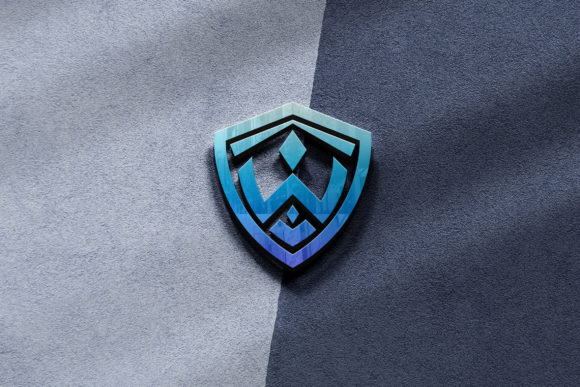
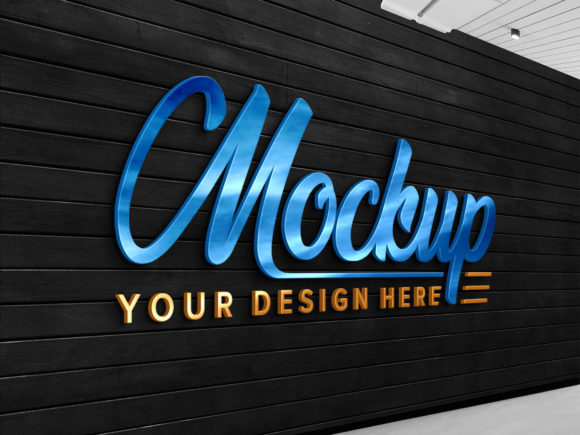
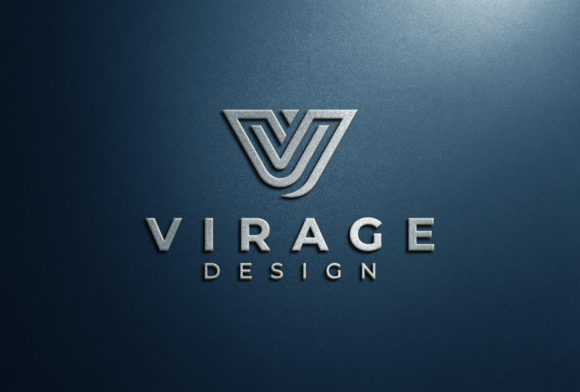
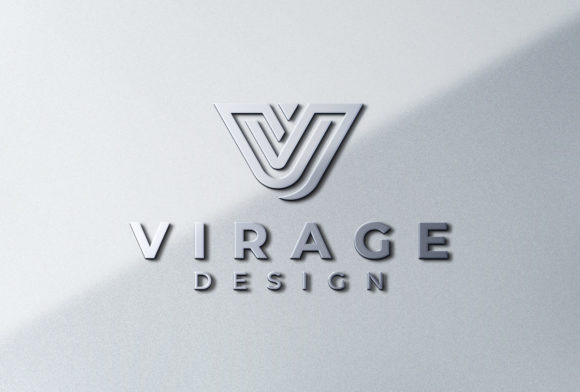
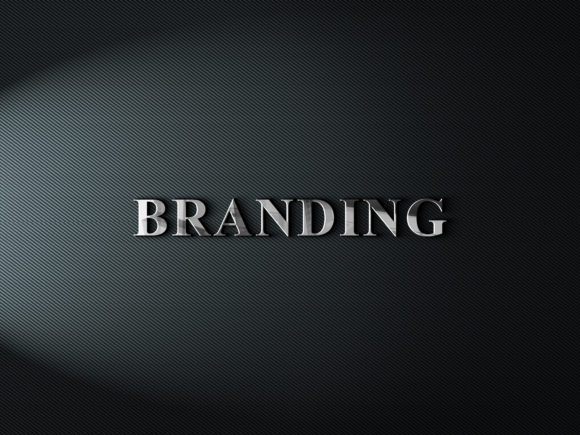
A glossy 3D logo mockup on carbon fiber is a pre-designed template or rendering that places a three-dimensional logo onto a textured carbon fiber background with a reflective, shiny finish. The carbon fiber texture provides a dark, woven, high-tech backdrop, while the gloss effect adds depth and luminosity to the logo itself. Designers and brand managers use these mockups to showcase how a logo might appear on premium, modern surfaces such as automotive parts, high-end electronics, sports equipment, or luxury product packaging.
This type of mockup typically comes as a layered file (often a PSD or similar) allowing you to place your own logo into the scene, with the 3D and gloss effects baked into the lighting and shading of the template. The result is a photorealistic presentation that conveys sophistication, durability, and a forward-thinking aesthetic.
Why Consider a Glossy 3D Logo Mockup on Carbon Fiber?
People explore this mockup style for several reasons. If your brand operates in industries where innovation, precision, and modernity are core values, this presentation can visually reinforce those attributes. The carbon fiber texture itself is associated with lightweight strength and advanced engineering, making it a natural fit for automotive, aerospace, technology, and performance sport brands.
Another reason is the desire to create a dramatic and memorable brand impression. The combination of a deep, patterned background with a glossy, raised logo creates a sense of three-dimensionality that flat presentations cannot achieve. This can be especially effective for pitch decks, product launches, website hero sections, or portfolio pieces where visual impact matters.
Additionally, using a high-quality mockup saves time. Instead of creating a complex 3D render from scratch, you can leverage a pre-built scene that already accounts for lighting, shadows, reflections, and surface texture. This allows you to focus on refining your logo rather than the technical aspects of the presentation.
Benefits and Tradeoffs
Every design choice comes with advantages and compromises. Understanding these helps you evaluate whether this mockup type is right for your specific context.
Benefits
- Visual impact: The glossy 3D effect combined with carbon fiber creates a high-contrast, eye-catching presentation that commands attention. The depth and reflection can make a logo feel tangible and premium.
- Industry alignment: For brands in automotive, tech, sports, or luxury goods, the carbon fiber aesthetic resonates with audience expectations of quality and innovation.
- Efficiency: Pre-built mockups eliminate the need for complex 3D software skills and reduce production time. You can produce a polished result in minutes rather than hours.
- Consistency: The lighting and texture are consistent across different logos you place into the template, which is useful for maintaining a uniform look in a presentation or portfolio.
Tradeoffs
- Limited versatility: The carbon fiber and gloss style is visually strong but not suitable for every brand. A healthcare or nonprofit brand, for example, might find the aesthetic too aggressive or industrial.
- Risk of appearing generic: Because many designers have access to the same mockups, overuse can lead to a lack of originality. If your audience frequently sees similar presentations, your logo may not stand out as uniquely as you intend.
- Potential mismatch with brand tone: A glossy, high-contrast look can feel overly flashy for brands that prioritize simplicity, warmth, or approachability. The mockup's aesthetic may overshadow the logo itself.
- Lighting and color limitations: Some mockups have fixed lighting angles and reflections that may not flatter certain logo colors or shapes. Dark logos on dark carbon fiber can lose visibility, while very detailed logos may appear cluttered in the 3D render.
When a Glossy 3D Logo Mockup on Carbon Fiber Is a Strong Fit
This mockup style performs best in specific scenarios. If your brand identity already leans toward a modern, industrial, or high-performance image, the carbon fiber and gloss combination will likely feel cohesive rather than forced.
Consider using this mockup when:
- Presenting to tech-savvy or design-conscious audiences: For investors, partners, or clients who appreciate cutting-edge visuals, the mockup signals that your brand is contemporary and detail-oriented.
- Showcasing logos for physical products: If your logo will appear on a product surface such as a laptop, phone case, car interior, or sports gear, the mockup provides a realistic preview of how the logo might look in a real-world context.
- Building a portfolio for industrial or automotive design work: Designers specializing in these fields benefit from mockups that reflect the materials and finishes common in their industry.
- Creating hero visuals for a brand relaunch or campaign: When you need a single strong image to anchor a landing page or promotional material, the dramatic visual can make an immediate impression.
When Alternatives Are Worth Considering
Despite its strengths, the glossy 3D logo mockup on carbon fiber is not a universal solution. There are situations where other presentation styles will serve your needs more effectively.
Alternatives may be more appropriate when:
- Your brand values minimalism or subtlety: A flat, matte, or soft presentation often communicates elegance and restraint better than a glossy, textured background. A simple white or neutral mockup can let your logo speak without visual competition.
- You need versatility across multiple mockups: If you are presenting your logo across various contexts (stationery, signage, digital, apparel), a set of diverse mockups that includes both flat and textured options will be more practical than relying on a single carbon fiber scene.
- Your logo has fine details or small text: The 3D gloss effect can distort intricate elements or cause small text to become less legible. A flat presentation ensures clarity and readability.
- Your audience is conservative or traditional: Industries such as law, finance, or healthcare often favor clean, straightforward presentations. The carbon fiber and gloss look might feel out of place or overly trendy for these sectors.
- You want to avoid perceived overproduction: In some contexts, a highly polished mockup can seem like style over substance. A simpler, more direct presentation may better convey authenticity and confidence.
Practical Decision-Making Insights
Choosing whether to use a glossy 3D logo mockup on carbon fiber involves weighing your brand's identity, your audience's expectations, and the specific message you want to convey. Here are some practical steps to guide your decision.
First, assess your brand personality. If your brand values are precision, innovation, and performance, the mockup's aesthetic will likely reinforce those qualities. If your brand values are trust, clarity, or community, consider whether the visual style aligns or distracts.
Second, test visibility. Place your logo into the mockup and view it at different sizes. Make sure the gloss reflection does not obscure key elements and that contrast remains strong. A logo that looks striking at full size may lose legibility when scaled down for web or print use.
Third, consider the context of use. Will this mockup be used in a one-time pitch, or will it represent your brand across multiple platforms? If the latter, ensure the style is adaptable and does not lock you into a narrow visual direction.
Fourth, evaluate originality. Search for similar presentations within your industry. If competitors frequently use carbon fiber mockups, you may want to differentiate yourself with a different background or finish. Standing out sometimes means going against the prevailing style.
Fifth, think about the mockup's flexibility. Choose a mockup file that allows you to adjust the gloss intensity, background brightness, or shadow depth. More adjustable templates give you greater control over the final look and help you tailor the presentation to your specific brand feeling.
Making an Informed Choice
A glossy 3D logo mockup on carbon fiber is a powerful tool when used thoughtfully. It can elevate a logo presentation, communicate sophistication, and save development time. However, it is not a one-size-fits-all solution. The best mockup choice is the one that aligns with your brand's core message and resonates with the people you are trying to reach.
By evaluating the benefits and tradeoffs, understanding where this style fits best, and considering alternatives when appropriate, you can make a decision that serves your brand authentically. Whether you choose the glossy carbon fiber look or opt for a different presentation, the goal remains the same: to present your logo in a way that is clear, memorable, and true to your brand identity.