3D Logo Mockup Reflection Effect Guide
A logo is often the first impression a brand makes, and how it is presented can change how it is perceived. A flat PNG file on a white background does little to show what a logo might look like on a product, a storefront, or a digital interface. This is where the 3D Logo Mockup Reflection Effect becomes a valuable tool. By adding depth, lighting, and a reflective surface, the logo shifts from a simple graphic to a piece of visual storytelling. It signals polish, attention to detail, and a sense of realism that helps clients, stakeholders, or audiences imagine the brand in the real world.
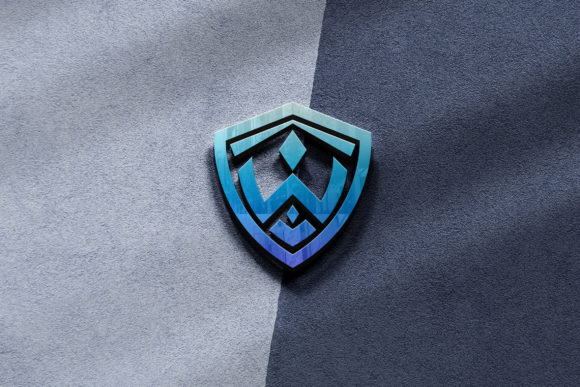
At its core, this effect places a logo onto a three-dimensional surface—often glass, metal, plastic, or glossy paper—and then adds a subtle or dramatic reflection beneath it. The reflection mimics how light behaves on shiny surfaces, giving the logo a grounded, professional look. It is not about making the logo flashy for the sake of it. Instead, it is about creating context. A logo floating in space feels theoretical. A logo reflecting off a dark marble surface feels like it belongs.
Why the Reflection Effect Works
Reflection in design taps into how people perceive the physical world. When an object sits on a glossy surface, the reflection confirms its presence. It adds weight and dimension. In a mockup, this effect does the same thing for a logo. It positions the brand as something tangible rather than abstract. For a designer presenting to a client, a reflected mockup can make the difference between a logo that looks finished and one that still feels like a draft.
The 3D Logo Mockup Reflection Effect also introduces depth without complicating the design. The reflection itself is usually a soft gradient that fades out, so it does not compete with the logo. It supports it. This subtlety is what makes the effect effective. It enhances the logo without shouting for attention. For presentations, social media previews, portfolio pieces, or brand guidelines, this kind of mockup adds a layer of professionalism that plain logos cannot match.
Creative Directions and Variations
There is no single way to apply a reflection effect. The approach changes depending on the mood of the brand, the surface imagined, and the platform where the mockup will appear. Below are several directions worth exploring.
Glass and Transparency
A logo placed on a glass surface with a soft reflection underneath gives a clean, modern look. This works especially well for tech brands, wellness products, or any business that wants to feel open and transparent. The reflection here is often faint, with a slightly blurred edge. The glass itself can be tinted or clear. For a minimalist brand, a frosted glass effect with a muted reflection keeps things subtle. For a more vibrant brand, a clear glass surface with a sharper reflection adds energy.
Metallic and Brushed Surfaces
Metallic reflections feel premium. A logo on a brushed aluminum surface with a reflection that carries a slight tint of the metal creates a rugged yet refined look. This works for automotive brands, hardware companies, or any brand that wants to communicate durability. The key here is to keep the reflection slightly darker than the surface itself, so the logo stands out. A golden or copper tint can add warmth, while silver or gunmetal keeps it cool and industrial.
Dark and Dramatic
High contrast reflections on dark surfaces like black marble or obsidian create a sense of luxury. The logo appears bright against the dark background, and the reflection is deep and glossy. This style suits fashion brands, premium services, or high-end events. The reflection can be stretched slightly longer than the logo to give a sense of height, as if the logo is hovering just above the surface. This effect feels cinematic and works well for hero images on websites or launch announcements.
Soft and Matte
Not every reflection needs to be sharp. A matte surface with a soft, diffused reflection feels approachable and tactile. This works for lifestyle brands, food businesses, or creative agencies that want to feel warm. The reflection here is less defined, almost like a shadow that blends into the surface. It suggests the logo is on a soft material such as uncoated paper or fabric. This direction is often overlooked, but it can make a brand feel more human.
Adapting the Effect for Different Platforms
The same logo mockup reflection effect can be tuned for different contexts. On a social media post, the reflection might be more subtle so it does not compress poorly or get lost in a feed. On a portfolio site, the reflection can be more pronounced because the viewer is likely looking at a larger screen with more attention. For a printed presentation, the reflection should be adjusted to account for paper type and ink behavior.
Small business owners sharing a logo on Instagram might choose a reflective mockup that uses a soft, light background with a minimal reflection. This keeps the post clean and easy to read on mobile. Designers presenting to branding clients might use a darker, more dramatic reflection to emphasize the logo's shape and presence during a pitch. The flexibility of the effect is part of its strength. It is not a one-size-fits-all trick. It is a visual tool that can be tuned to fit the moment.
Practical Tips for Clear Results
While the reflection effect adds polish, it can also create clutter if not executed carefully. Keeping the reflection clean and controlled matters more than making it complex. Start with a simple gradient reflection that fades from full opacity near the logo to zero opacity as it goes down. This avoids hard edges and looks natural. The reflection should never be brighter than the logo itself. Let the logo lead the visual hierarchy.
Watch the Angle
The angle of the reflection should match the perspective of the surface. If the logo sits flat on a horizontal surface, the reflection should extend straight down. If the logo is on a tilted surface, the reflection should tilt accordingly. This seems like a small detail, but it is what makes a mockup feel real. A mismatched angle breaks the illusion immediately.
Surface Texture Matters
A reflection on glass looks different from a reflection on water or polished wood. Adding a subtle texture to the surface—even just a slight noise or grain—can make the mockup feel more authentic. The texture should not overpower the logo, but it should be visible enough to suggest the material. For example, a wood surface might have a warm tint and soft grain lines, while a metal surface might have subtle brush marks.
Keep the Logo Readable
This is the most important rule. The reflection effect is meant to enhance the logo, not obscure it. Avoid placing the logo on a surface that is too busy or reflective in a way that creates glare over the logo itself. The mockup should make the logo easier to see and remember, not harder. If a reflection makes the logo hard to read at a glance, simplify the surface or reduce the reflection strength.
Examples for Different Audiences
For a freelance designer building a portfolio, a series of logo mockups with different reflection styles can demonstrate range. One project on a glass surface, another on brushed copper, and a third on dark marble shows versatility. Each mockup tells part of the story about the brand behind the logo. The designer is not just showing a logo. They are showing how the brand lives in the world.
For a small business owner launching a new product, a single reflective mockup on a clean surface can serve as the hero image for a landing page. It gives the brand an immediate sense of legitimacy. Customers are more likely to trust a brand that looks established, and a well-made mockup helps create that perception from day one.
For a marketing team preparing a pitch deck, reflective mockups can be used to show how a rebranded logo will appear across different materials. A slide showing the logo on a glossy brochure, a matte business card, and a digital screen with reflections tailored to each surface helps stakeholders visualize the rollout with confidence.
Staying Organized and Consistent
When working with multiple logos or variations, consistency in the reflection effect matters. If one logo uses a dark marble surface with a long reflection and another uses a light glass surface with a short reflection, the set will feel disjointed. Choose a surface and reflection style that fits the overall brand system, and apply it consistently across all assets. This helps the brand feel cohesive, even in mockup form.
Keep a file structure that clearly labels surface types, reflection settings, and lighting angles. This makes it easy to revisit a mockup later without recreating it. For teams, a shared library of surface textures and reflection presets saves time and ensures everyone stays aligned.
The 3D Logo Mockup Reflection Effect is not just a visual flourish. It is a practical way to give a logo presence. When applied with intention, it turns a simple graphic into something that feels real, considered, and ready for the world. Whether you are presenting to a client, building a portfolio, or launching a brand, the right reflection makes the logo more than a design. It makes it an object worth looking at.